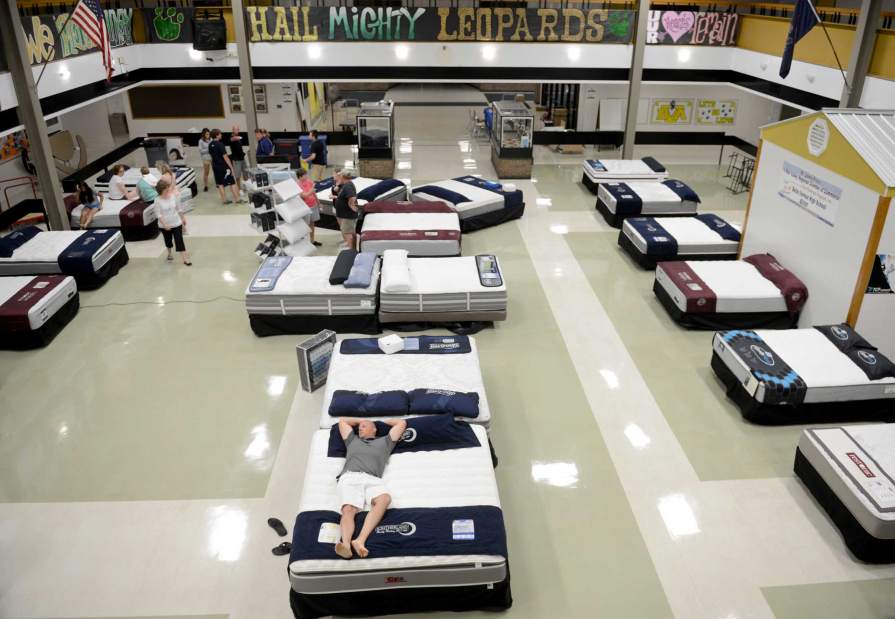
Custom Fundraising Solutions (CFS), a small business that partners with organizations like high school bands, athletic teams and spirit squads to set up in-person fundraising events at schools. Members of the community attend an event where they can make purchases at discount prices and support the students’ extracurricular activities.
CFS was acquired by retail giant Mattress Firm, who saw an opportunity to expand the scope of CFS beyond school fundraising. Mattress Firm’s first goal was to modernize the processes of a company that’d previously relied on telephone calls, POS machines, carbon copies, Excel spreadsheets and rented moving trucks.
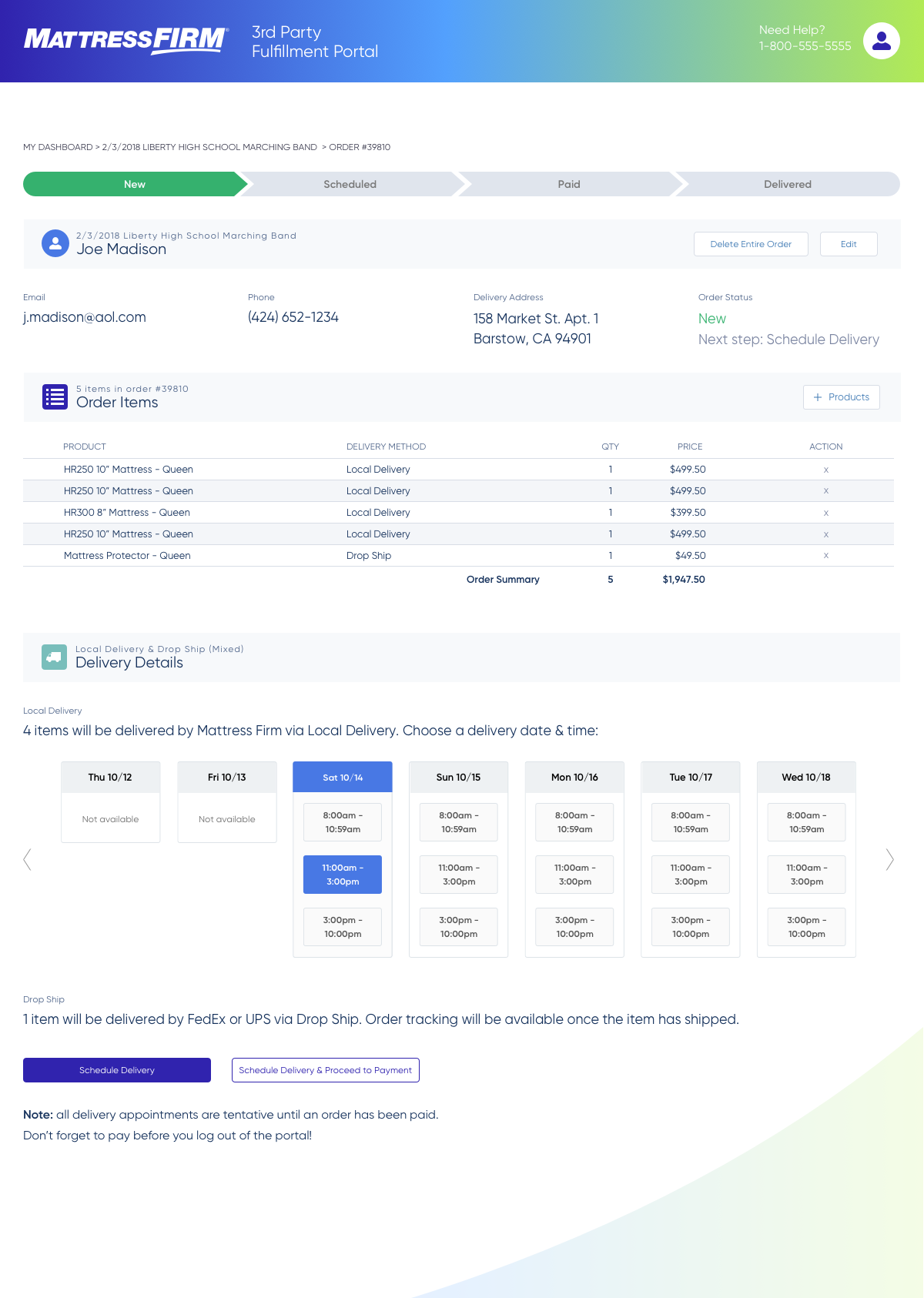
They needed a way for dealers to integrate into Mattress Firm’s systems as a full B2B partner, with a portal enabling them to:
- Track sales and manage customer info
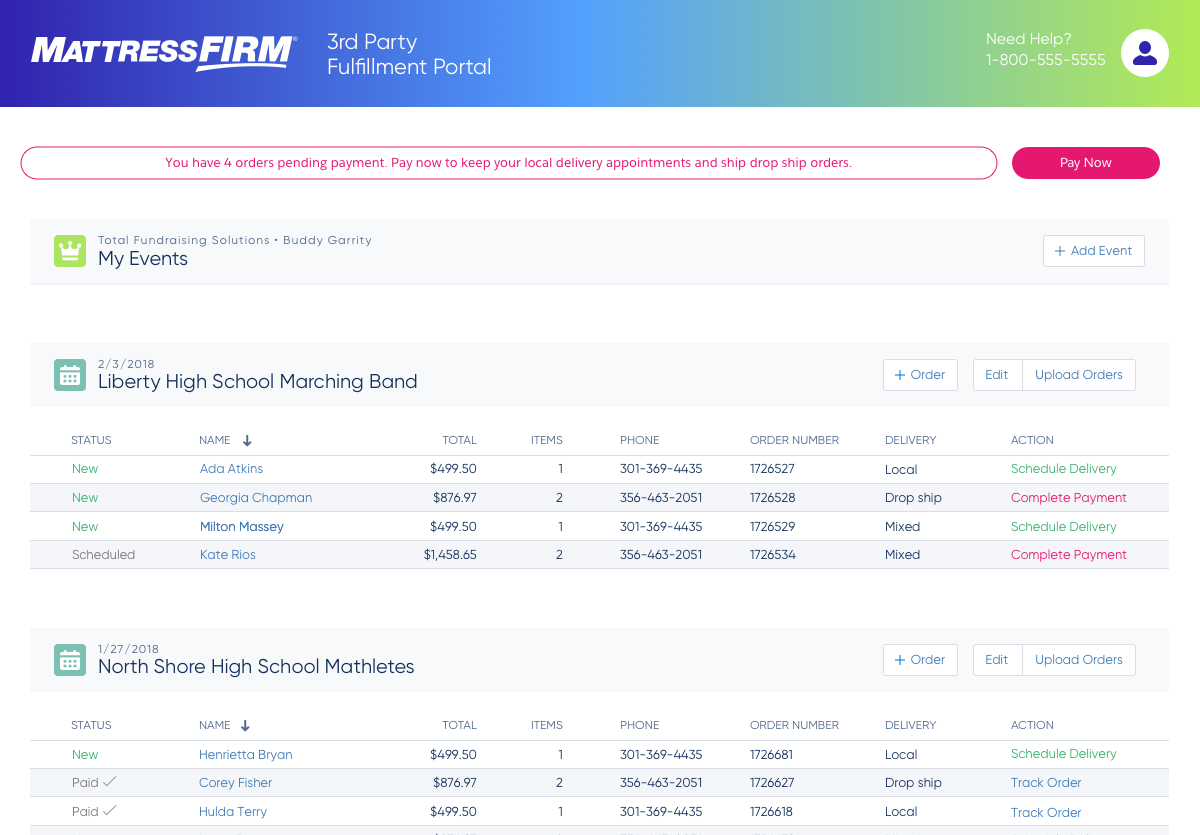
- Order products from Mattress Firm’s catalog, and direct orders to regional distribution centers for fulfilment
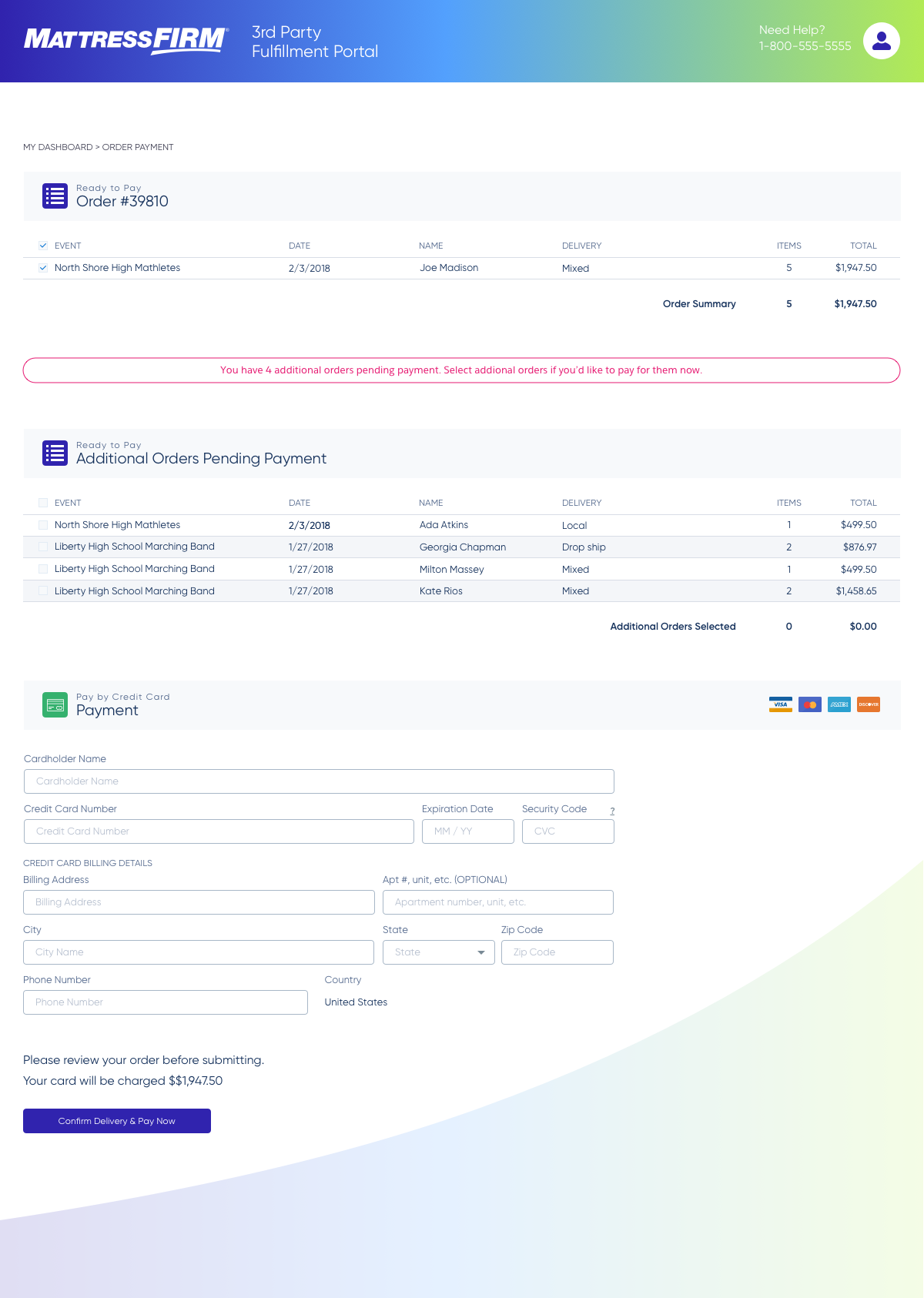
- Process payments
- Schedule and track delivery
I partnered with one other UX designer on this project. We collaborated with business analysts and project managers from Mattress Firm and their development partner, the engineering and QA teams, and interviewed subject matter experts (dealers) and stakeholders from Custom Fundraising Solutions.
We received an initial overview and requirements for a portal dashboard that Mattress Firm wanted to build from one of their business analysts. This expert had an intimate understanding of the backend systems we’d be dependent on to create a functional tool, but no empathetic insight into the existing processes reliant on a pen, paper and other disparate tools. We needed to create something that would fit into the mental model of the CFS sales manager, but simplified their process and cumbersome legwork.
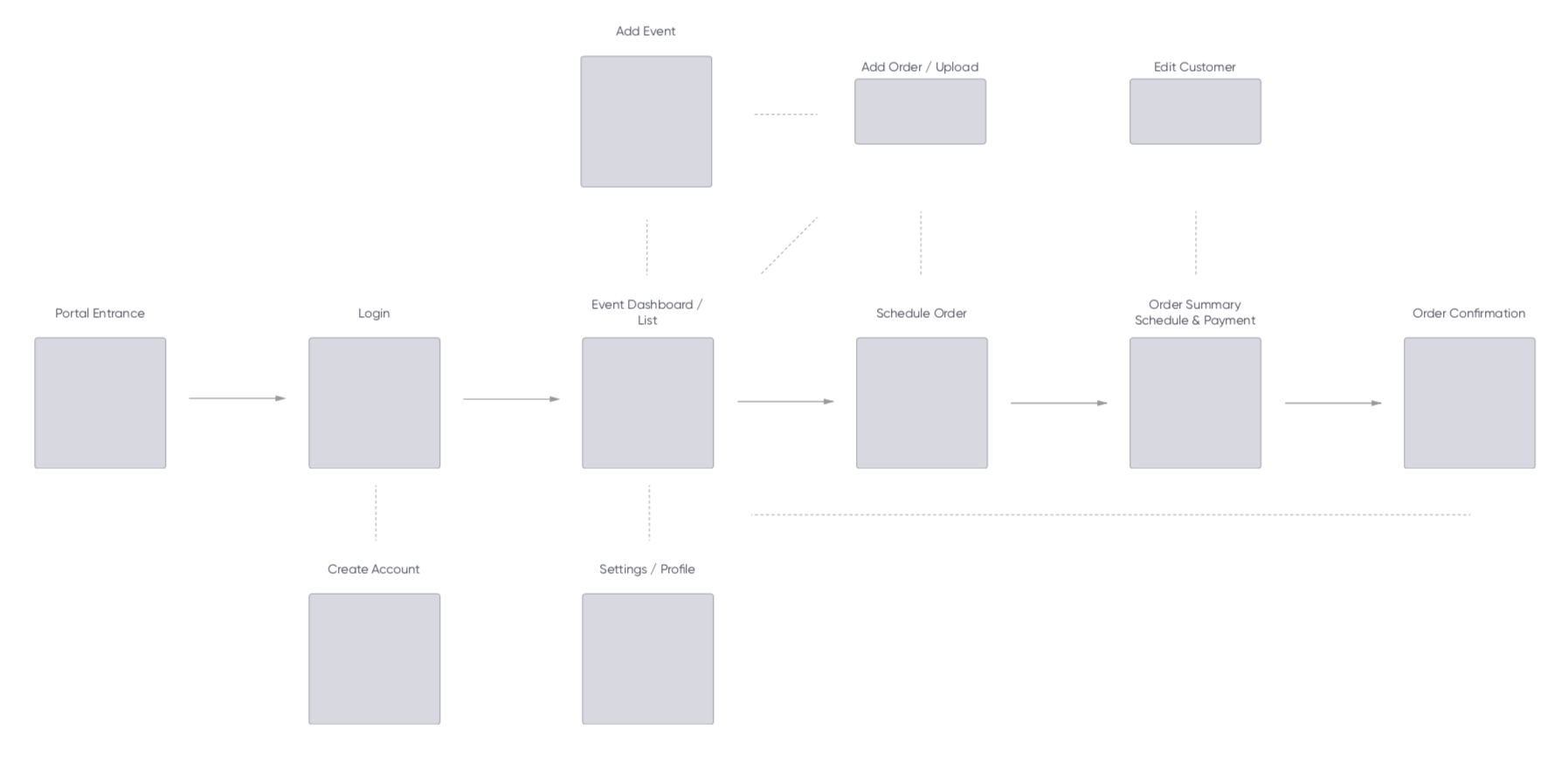
We interviewed stakeholders and subject matter experts from CFS who shared their screens and described their existing processes. This allowed up to understand their current processes, and learn their pain points and methods for solving problems with workarounds. From there, we created a basic user flow diagram.
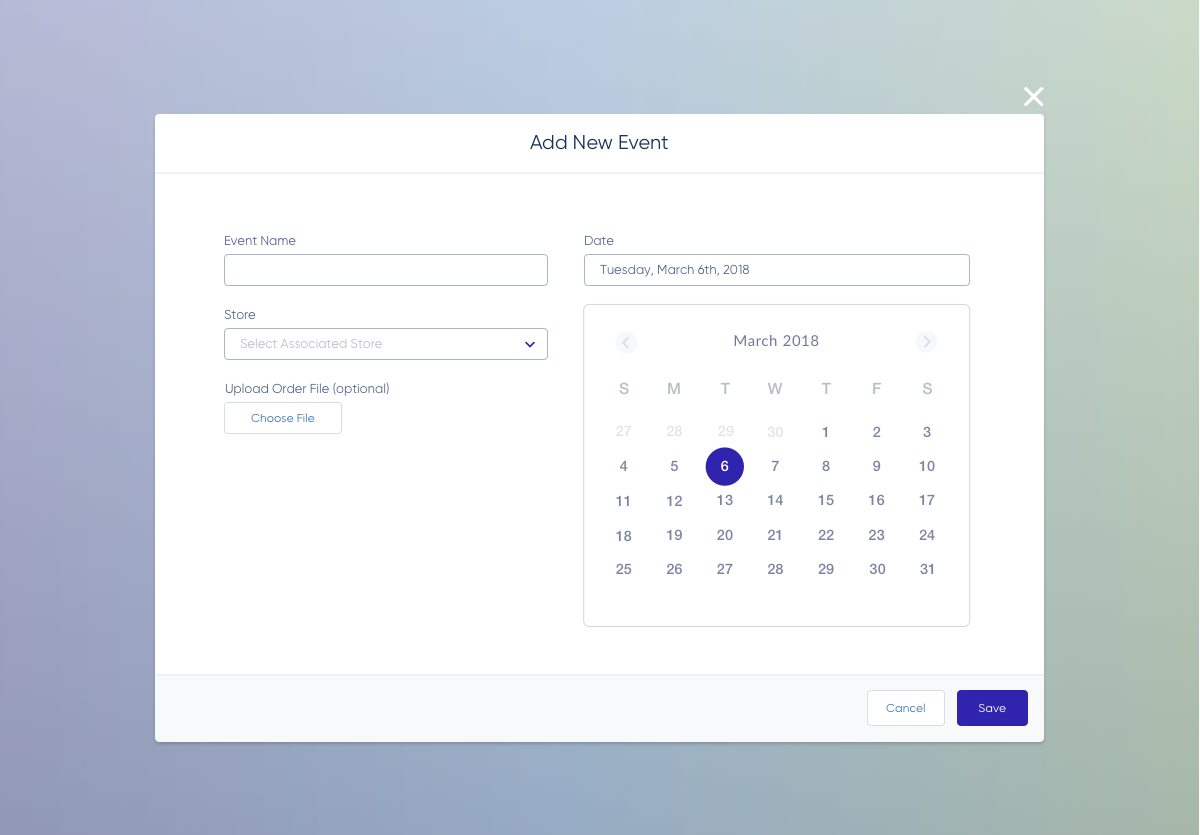
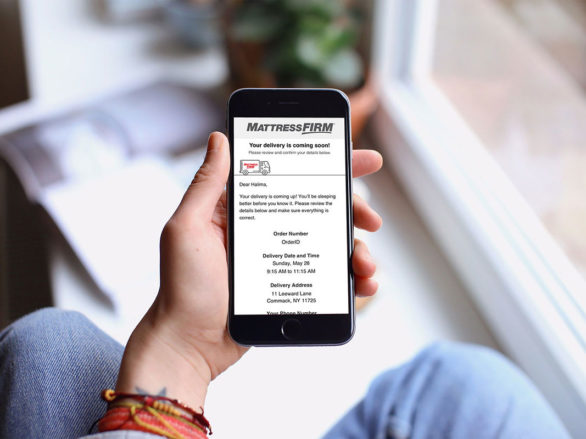
Based on the user flow and business requirements, we created wireframes and visual designs for desktop users to create an account, add, view and track orders, schedule delivery, process payments and communicate order status.
The site went live in August 2019, with a trial program intended to test its success in a limited market.
Year: 2018